

menu close

Communities

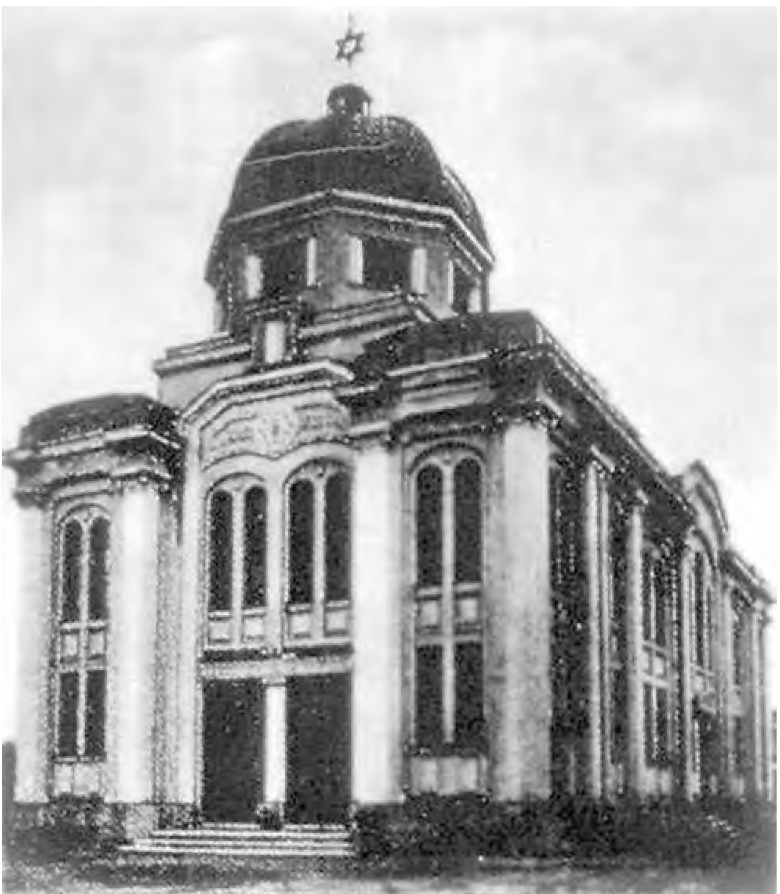
Jewish communities have a long and rich history in Croatia, dating back to the Roman era. The Jewish presence became more prominent during the medieval period, with the establishment of several Jewish communities. The Holocaust inflicted a devastating toll on Jewish communities across the Independent State of Croatia. Jewish shops were expropriated, and Jews were subjected to arrests and deportations to concentration and death camps. Besides the tragic loss in human life, the Ustaša regime systematically destroyed synagogues along with other cultural institutions.

ilok

Ilok

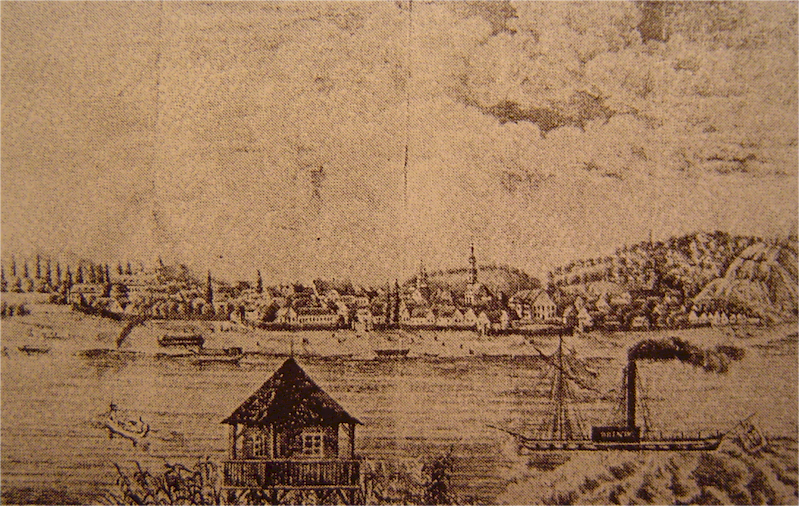
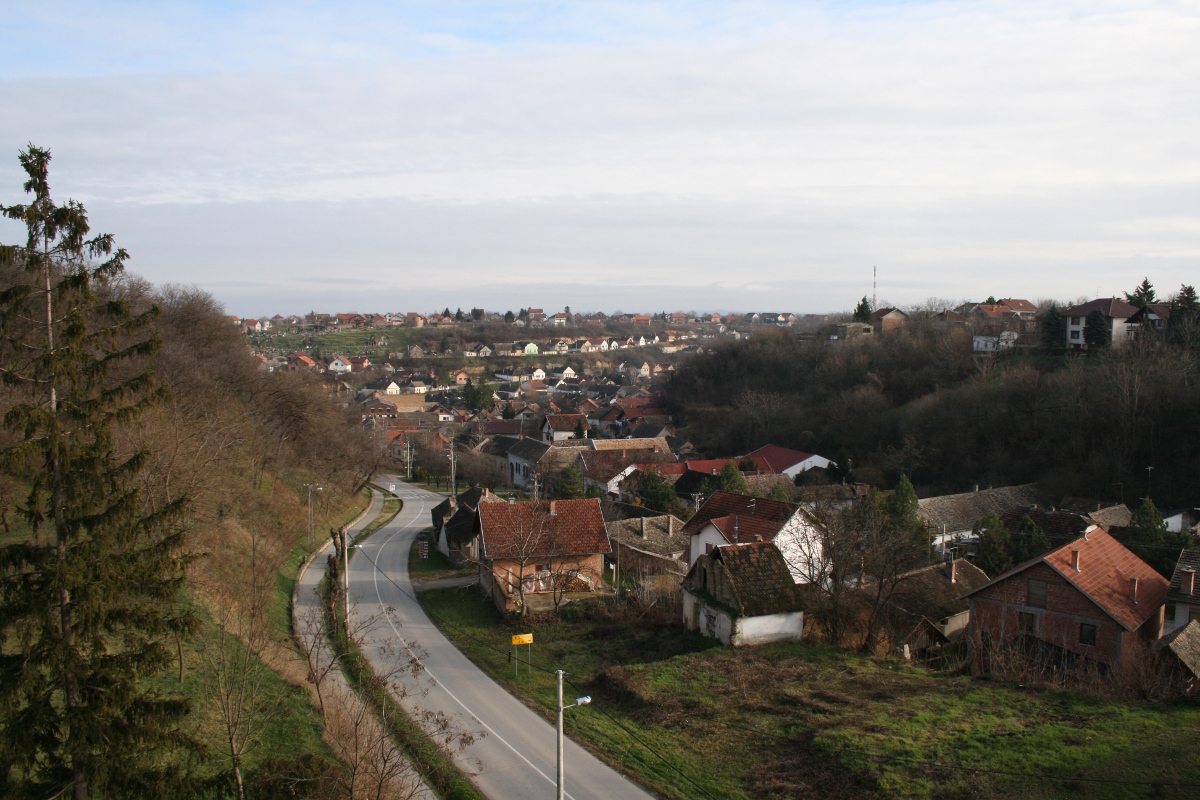
A small town of around 5,800 inhabitants in 1931, Ilok was home to 304 practitioners of Judaism in 1921, increasing to 320 in 1931. Ilok was among the most important centers of Orthodox Judaism in eastern Croatia, although the town was home to non-Orthodox practitioners as well. The synagogue and the Jewish cemetery were established around 1870.
križevci

Križevci

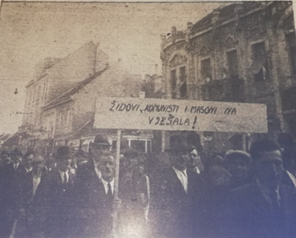
The town of Križevci, located in northwestern Croatia, experienced one of the earliest and most radical implementations of anti-Jewish persecution in the Independent State of Croatia. Before the Second World War, Križevci's Jewish community had been small but well integrated. Jews were active in the town's civic and economic life, and antisemitism among the general population has reportedly been relatively weak.

vukovar

Vukovar

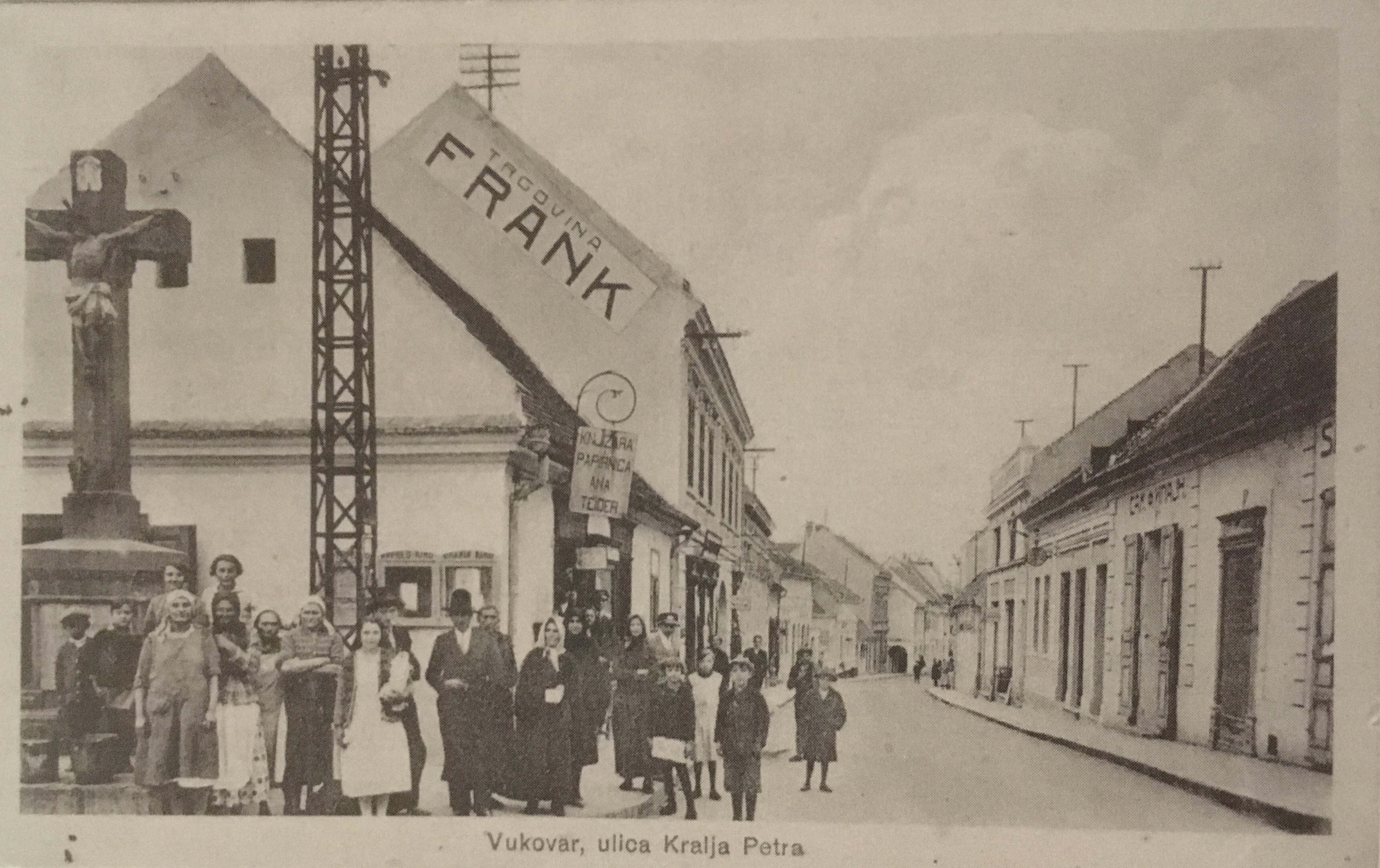
Vukovar was a city in the eastern reaches of the Independent State of Croatia. Exceptionally diverse, Vukovar was home to fourteen ethno-confessional groups on the eve of the Second World War—Croats, Serbs, Jews, Germans, Roma, Hungarians, Slovaks, Czechs, Ruthenians, and others

sarajevo

Sarajevo

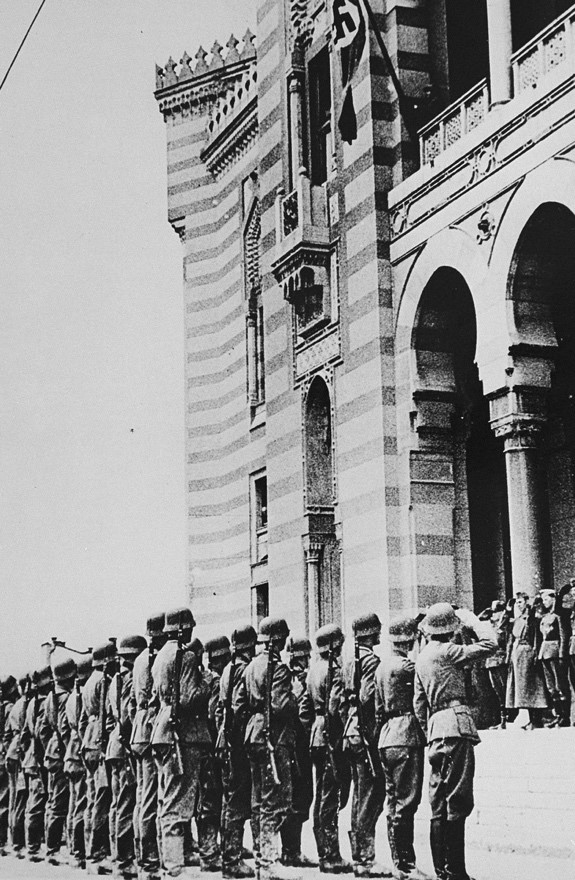
The Jewish community of Sarajevo dates to the 16th century when the Sephardim who fled the persecution in Spain and Portugal settled in Ottoman-dominated Bosnia. By 1779 there were already 1100 Sephardic Jews in Sarajevo. The Austro-Hungarian occupation in the 29th century changed the fabric of the Jewish community in Sarajevo due to the migration waves of Ashkenazi Jews, who began to settle in Bosnia and Herzegovina for the first time in city’s history. After the First World War, Jews from the rural areas started to migrate to larger urban centers such as Sarajevo in pursuit of better educational and career opportunities.

osijek

Osijek

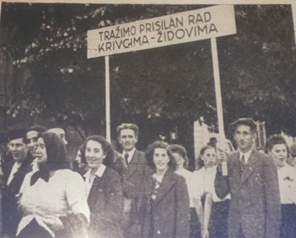
Before the Second World War, the city of Osijek had around 40,000 citizens. The multiethnic city was a home of the thin Croatian majority, followed by a large population of ethnic Germans Serbs, Hungarians and Jews. Immediately afterwards Jews were exposed to a pogrom, arrests, forced labor, violence and organized extortion. Initially the persecution of Jews was spearheaded by the members of the German minority in Osijek and its surroundings.

šid

Šid

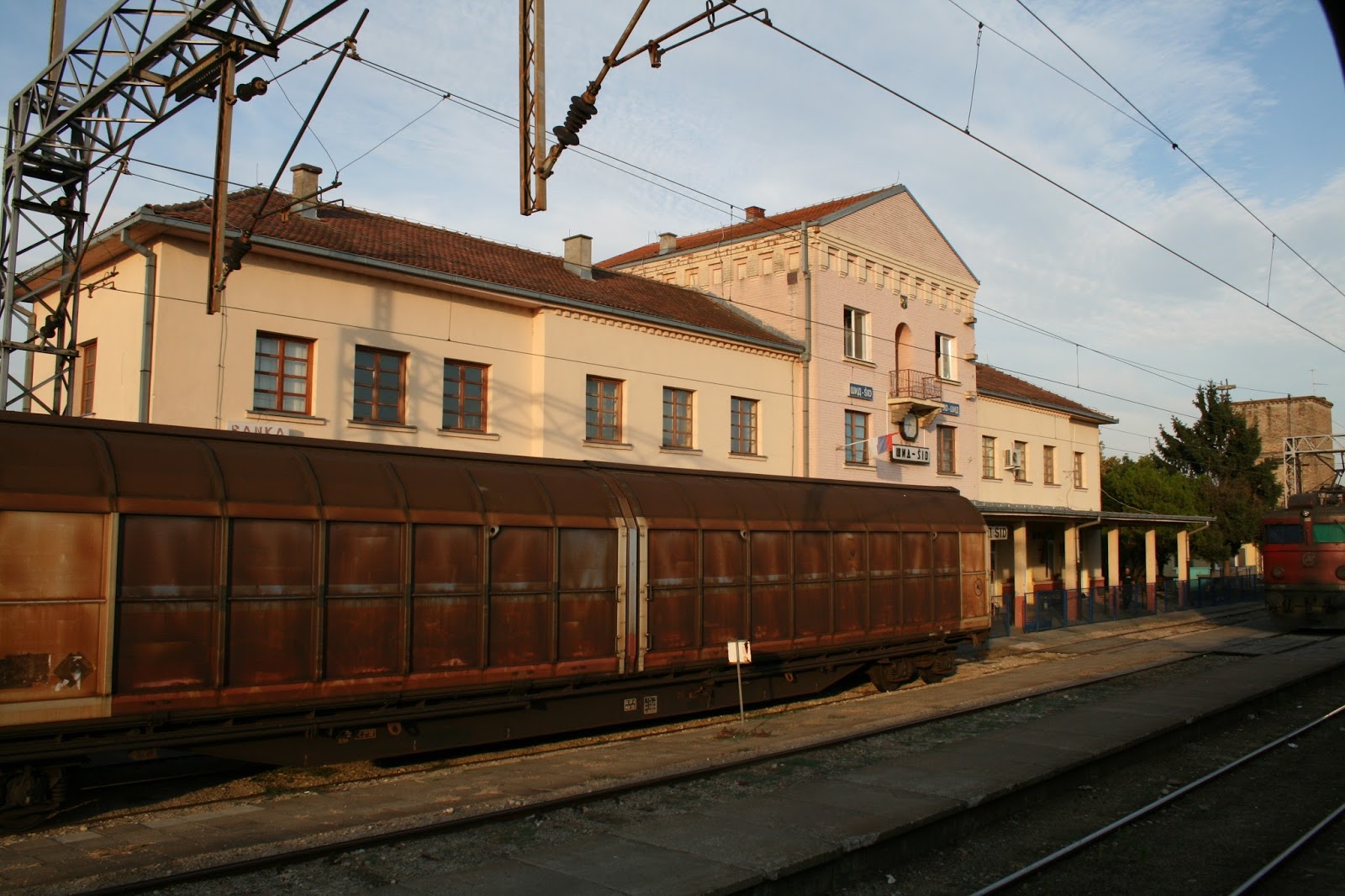
Before the Second World War, the city of Osijek had around 40,000 citizens. The multiethnic city was a home of the thin Croatian majority, followed by a large population of ethnic Germans Serbs, Hungarians and Jews. While the Ustaše started to take over the power in the city already on the 10th of April 1941, the German military entered the city the day after. Immediately afterwards Jews were exposed to a pogrom, arrests, forced labor, violence and organized extortion. Initially the persecution of Jews was spearheaded by the members of the German minority in Osijek and its surroundings.

vinkovci

Vinkovci

Before the Second World War, Vinkovci was a multiethnic city in which Croats made up roughly half of the population, while the remainder consisted of Germans, Serbs, Hungarians, and Jews. Despite its relatively small size, the city held considerable strategic importance as one of the most significant railway junctions in the region; the main railway line between Zagreb and Belgrade passed through Vinkovci.

zemun

Zemun

Zemun is a city in today's Serbia situated beside the mouth of the Sava River as it joins the Danube, with Serbia's capital, Belgrade, right across. Jews arrived in the region, which was part of the Habsburg empire ruled from Vienna, together with Christian migrants from Germany during the first half of the eighteenth century. In 1739, as Belgrade fell back under the control of the Ottoman empire, twenty Jews moved from Belgrade to Zemun, marking the foundation of the town's Jewish community.